Understanding the psychology behind player behavior in casinos
The Influence of Environment on Casino Players
The environment of a casino plays a crucial role in shaping player behavior. Bright lights, vivid colors, and enticing sounds create a sensory experience that can captivate players. This carefully curated atmosphere is designed to immerse individuals in a world of excitement, encouraging them to stay longer and engage more deeply. The ambiance not only stimulates emotions but also influences decision-making processes, often leading players to make impulsive choices that they might not consider in a more subdued environment. For those interested in exploring more about responsible practices in gaming, you can visit website and discover helpful resources.
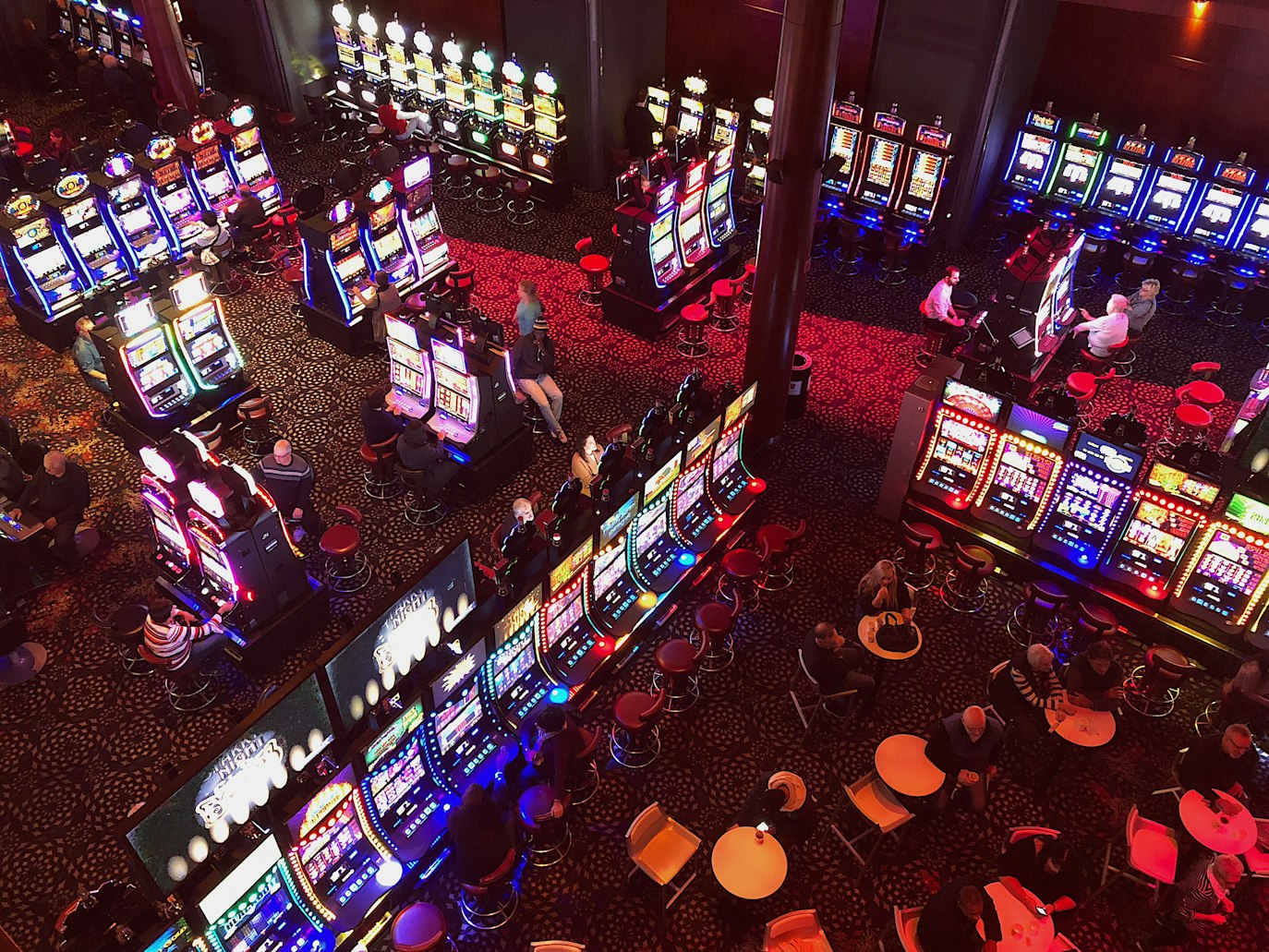
Moreover, the layout of a casino is meticulously planned to create a flow that keeps players moving from one game to another. By placing high-stakes games near low-stakes ones, casinos can attract a wider range of players and maximize their time spent gambling. This strategic design reinforces a sense of thrill and urgency, pushing individuals to continue playing and often leading to a phenomenon known as the “Gambler’s Fallacy,” where players believe that their chances of winning improve with continued play.
The Role of Psychological Triggers
Psychological triggers significantly impact player behavior in casinos. Many games are designed to evoke specific emotional responses. For instance, the anticipation of a win can lead to heightened excitement, while the disappointment of a loss can provoke a desire to keep playing in hopes of recouping losses. This cycle of emotions can lead to compulsive gambling behaviors, where individuals feel a compulsion to gamble even when it is against their best interests.
Additionally, casinos often employ loyalty programs and bonuses that serve as psychological rewards, encouraging players to return frequently. These incentives create a sense of belonging and accomplishment, which can further entrench players in their gambling habits. Understanding these psychological triggers can help players recognize the patterns of behavior that lead to irresponsible gambling.
The Impact of Social Interaction
Social interaction is another critical factor influencing player behavior. Casinos provide a space where individuals can socialize, share experiences, and celebrate wins together. This communal aspect of gambling often amplifies the enjoyment and excitement of the games. Players may feel more inclined to bet larger amounts when surrounded by peers, as the social atmosphere can create a sense of peer pressure and competition.
However, while social interaction can enhance the gaming experience, it can also contribute to negative behaviors. Players might feel compelled to gamble more to maintain social status or to fit in with a particular group. This dynamic highlights the importance of being aware of one’s motivations and the influence of social dynamics when gambling.
Understanding Risk and Reward Perception
The perception of risk and reward is fundamental to gambling behavior. Players often overestimate their chances of winning due to cognitive biases. This skewed perception can lead to increased betting and a willingness to take risks that they would typically avoid in other situations. The allure of potential rewards can overshadow the reality of the odds, resulting in an irrational approach to gambling.
Moreover, the concept of “loss aversion,” where individuals prefer avoiding losses to acquiring equivalent gains, can also play a significant role. Players may continue to gamble in an attempt to recover losses, leading to a cycle of increased spending and heightened emotional turmoil. Acknowledging these perceptions can aid in developing a more responsible approach to gambling.

Promoting Responsible Gambling Practices
Responsible gambling practices are essential for maintaining a healthy relationship with gaming. Awareness of psychological influences can empower players to make informed decisions. Setting limits on time and money spent, along with recognizing the signs of problematic gambling behavior, are crucial steps towards responsible play. Educational resources and support networks are available to assist individuals in navigating their gambling habits and ensuring a balanced approach.
Additionally, casinos themselves have a responsibility to promote safe gambling practices. Implementing measures such as self-exclusion programs and providing information about responsible gambling can create a safer environment for players. By focusing on these practices, both players and establishments can contribute to a more responsible gambling culture.